App preview
Inside Trade Master 9.
A demo account allows traders to practise using the platform without risking real money.
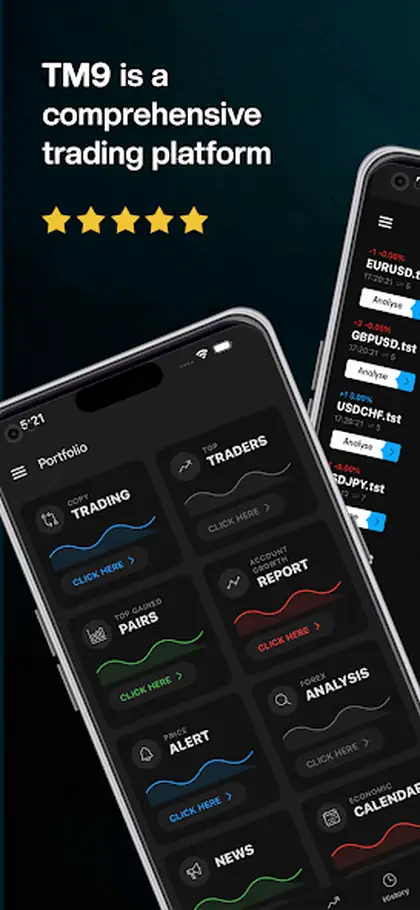
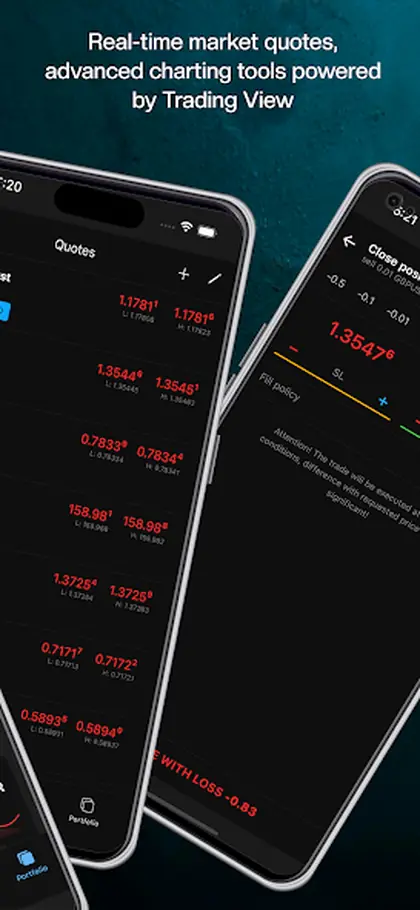
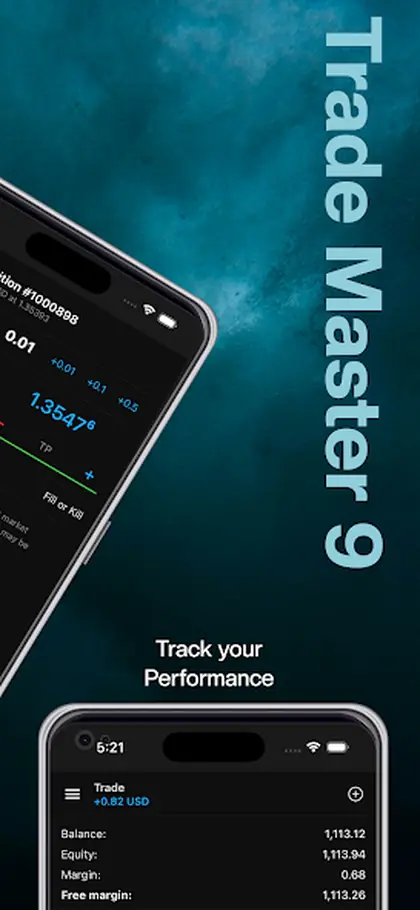
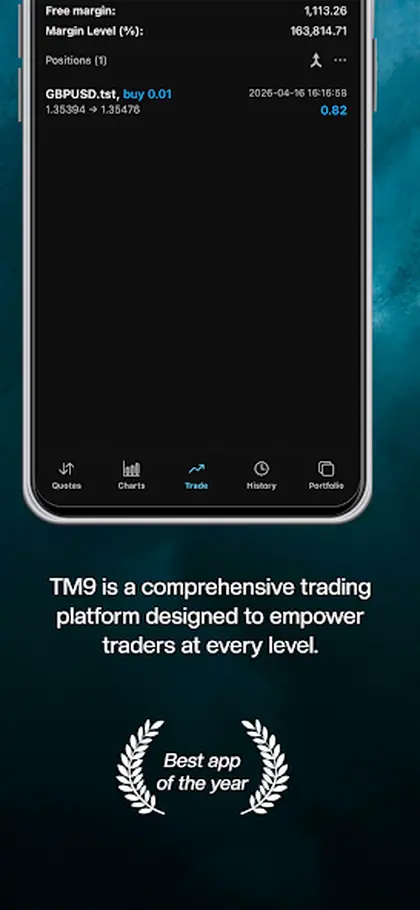
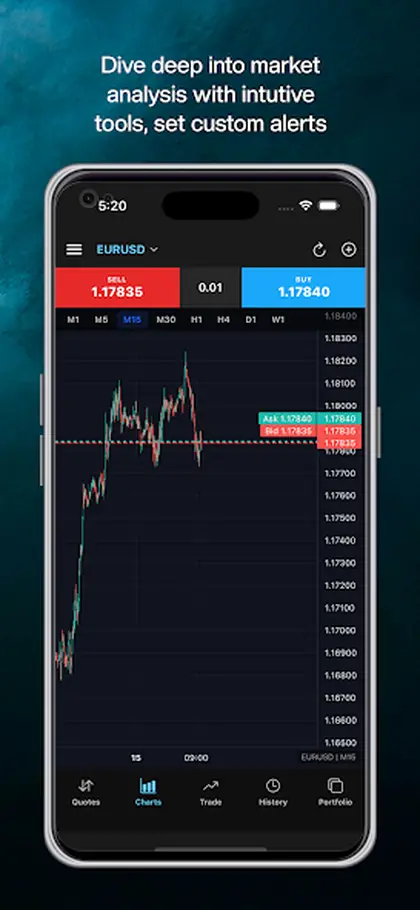
A demo account is the safe way to learn a platform for Forex and exchange market operations.
A demo account allows traders to practise using the platform without risking real money.
A demo account allows traders to practise using the platform without risking real money, and it is the sensible first stop for anyone new to TM9 or to trading itself. You can explore trading features, test trading strategies, become familiar with the market analysis tools, and practise in a simulated environment where a mistake costs nothing but a note to yourself.
Demo accounts provide access to many of the same platform features available to real trading accounts, which is what makes the practice meaningful. You are learning the actual order ticket, the actual charts and the actual account view rather than a tutorial version of them, so nothing has to be relearned when you move across.
Use the time deliberately. A fortnight spent placing orders, setting stops, letting trades run to their conclusion and reviewing the history afterwards teaches the mechanics thoroughly. Testing a strategy properly — the same rules, every signal, no quiet exceptions — is the other job a demo account does well, and it is the only environment where you can do that without paying for the lesson.
It is also the right place to learn the parts of the platform you will need rarely but urgently, such as modifying a stop or closing part of a position. What a demo cannot teach is how you behave when the money is real. Demo trading does not involve real funds and therefore does not generate real profits or losses, and simulated fills can be kinder than live ones in fast markets. Treat demo results as a test of your process rather than a forecast of returns, and keep first live positions small.
The real account page covers the next step. For the complete picture of the platform, see the TM9 home page.
A demo account allows traders to practise using the platform without risking real money.
Practise on a demo account without risking real money, and explore the platform in a simulated environment.
Demo accounts provide access to many of the same platform features available to real trading accounts.
Demo trading does not involve real funds and therefore does not generate real trading profits or losses.
Three short notes on how this works day to day.
A fortnight on demo teaches the mechanics: placing orders, setting stops, reading the history. What it cannot teach is how you behave when the money is real, which is why first live positions should be small.
Simulated fills can be kinder than live ones, particularly in fast markets, so treat demo results as a test of your process rather than a forecast of returns.
This page is for new traders, and for experienced traders testing an unfamiliar strategy or platform.
How web platform sits inside the Trade Master 9 platform.
TM9 is a web-based trading platform for Forex, stocks and futures, combining technical analysis, fundamental market information, copy trading and automated trading in one browser window. It runs on virtually any modern browser and operating system with no desktop software to install, is designed to offer functionality comparable to the desktop environment, encrypts data between the browser and the platform, and supports both demo and real accounts.
TM9 is a software development company and does not provide investment or brokerage services. The platform supplies the trading terminals, analysis tools and automation; your broker holds the funds, sets spreads and leverage, and executes the orders the platform sends. Trading carries a real risk of loss, and signals or robots are tools rather than financial advice.
TM9 Web Trading Platform. Trade From Your Browser. Trading With No Download. Or open the Platform Guide for all 77 pages.