App preview
Inside Trade Master 9.
Demo accounts practise without risk; real accounts trade live markets with real funds, subject to terms and conditions.
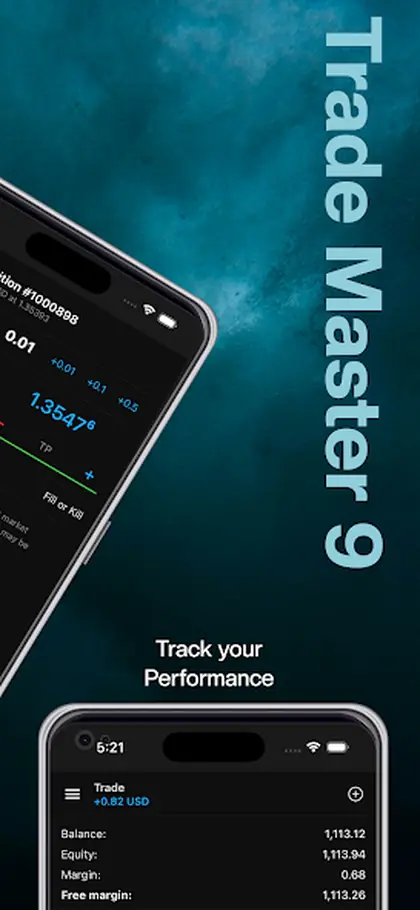
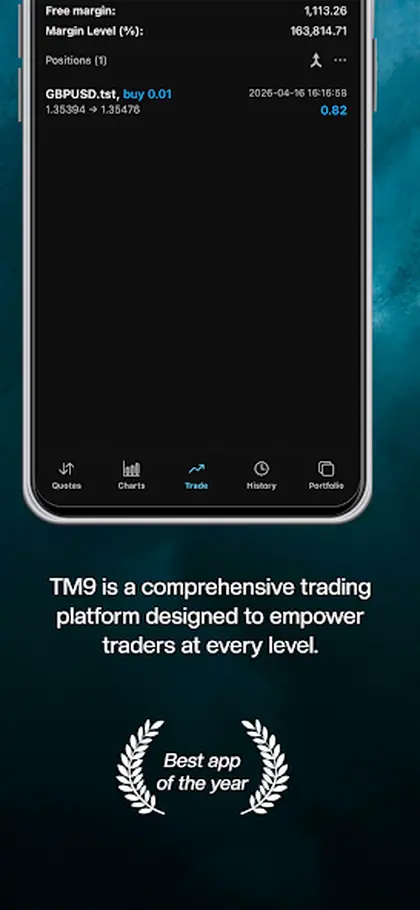
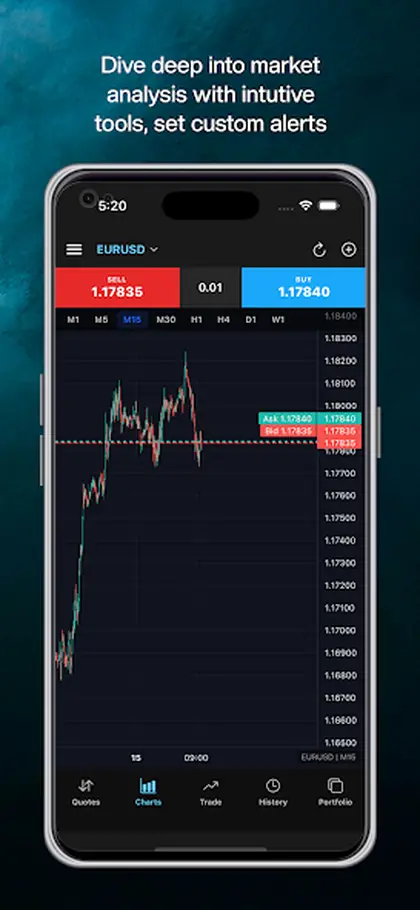
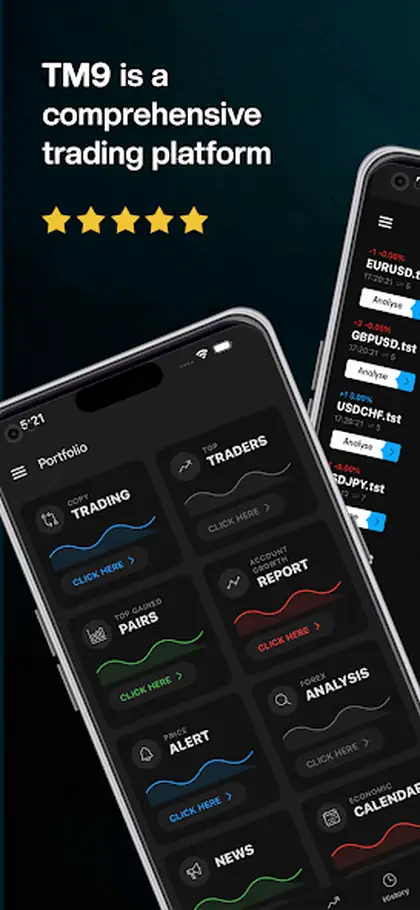
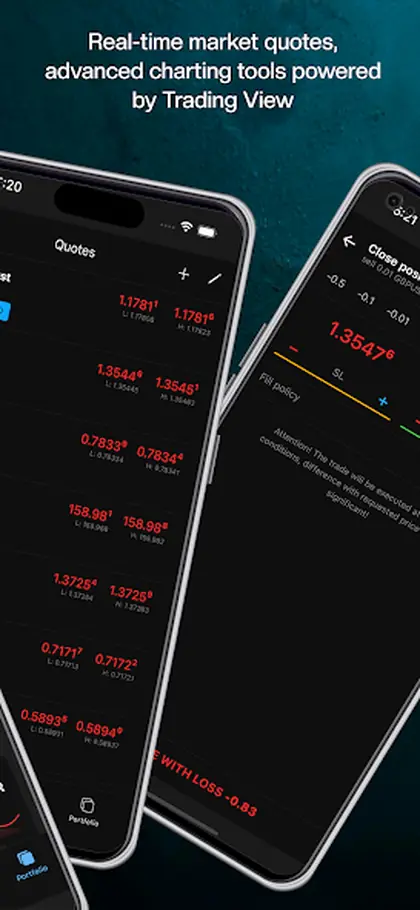
TM9 offers two account types for Forex and exchange market operations, and the difference is more than money.
Demo accounts practise without risk; real accounts trade live markets with real funds, subject to terms and conditions.
TM9 offers two primary account types, and the difference between them is larger than the presence of real money. A demo account lets you practise using the platform without risk, exploring features, testing strategies and becoming familiar with the analysis tools in a simulated environment. A real account allows eligible users to participate in live trading with real funds, subject to the applicable terms, market conditions and risks.
The features overlap heavily by design. Demo accounts provide access to many of the same platform capabilities available to real accounts, so the skills transfer directly and nothing has to be relearned. What does not transfer is the emotional weight. A drawdown on a demo account is an interesting data point; the same drawdown on a real account is the thing that makes traders widen stops, take profits early and abandon rules they spent weeks testing.
The useful way to think about it is that demo tests the strategy and real tests the trader. Both need testing, and running them in that order is cheaper than the alternative. A sensible progression is a few weeks on demo until the mechanics are automatic and the rules are written down, then a real account at small size for long enough to see how you behave.
Keeping both open afterwards is underrated. When a new idea appears, the demo account is where it gets tested properly rather than tried live because it seemed promising. Demo profits and losses are not real and simulated fills can flatter a fast strategy, which is worth remembering when results look encouraging.
For the complete picture of the platform, the TM9 home page has the full detail.
Demo accounts practise without risk; real accounts trade live markets with real funds, subject to terms and conditions.
The two TM9 account types compared: practice in a simulated environment, or live trading with real funds.
Practise the platform, test strategies and learn the analysis tools in a simulated environment, with access to many of the same features.
Participate in live trading with real funds, subject to applicable account terms, market conditions and risks.
Most traders use both: demo for testing something new, real for the method they already trust.
Three short notes on how this works day to day.
Keeping a demo account open after going live is underrated. It gives you somewhere to test an idea without putting money behind an untested rule.
Demo results do not carry over. No profit or loss on a demo account is real, and live conditions differ in ways that matter to short-term strategies especially.
This page is for traders deciding when to go live, and for anyone running both account types side by side.
How web platform sits inside the Trade Master 9 platform.
TM9 is a web-based trading platform for Forex, stocks and futures, combining technical analysis, fundamental market information, copy trading and automated trading in one browser window. It runs on virtually any modern browser and operating system with no desktop software to install, is designed to offer functionality comparable to the desktop environment, encrypts data between the browser and the platform, and supports both demo and real accounts.
TM9 is a software development company and does not provide investment or brokerage services. The platform supplies the trading terminals, analysis tools and automation; your broker holds the funds, sets spreads and leverage, and executes the orders the platform sends. Trading carries a real risk of loss, and signals or robots are tools rather than financial advice.
TM9 Web Trading Platform. Trade From Your Browser. Trading With No Download. Or open the Platform Guide for all 77 pages.