App preview
Inside Trade Master 9.
The web platform is designed to provide functionality comparable to the TM9 desktop trading environment.
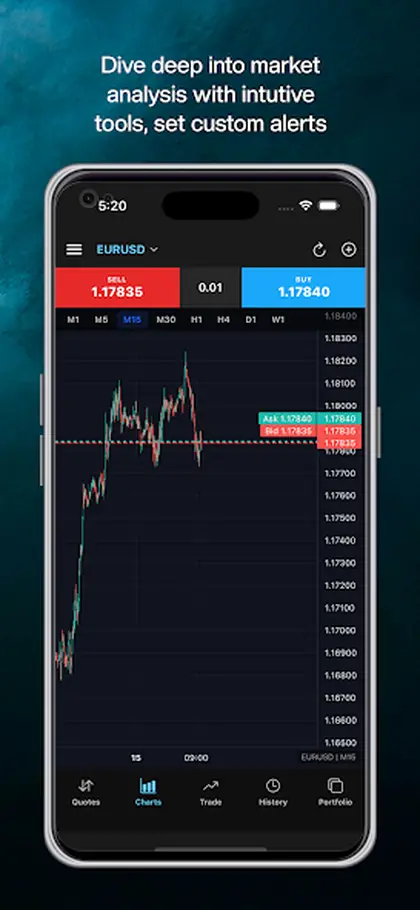
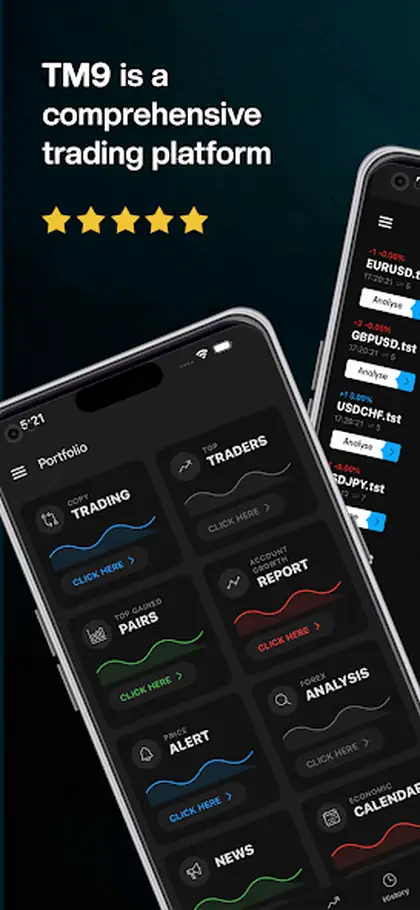
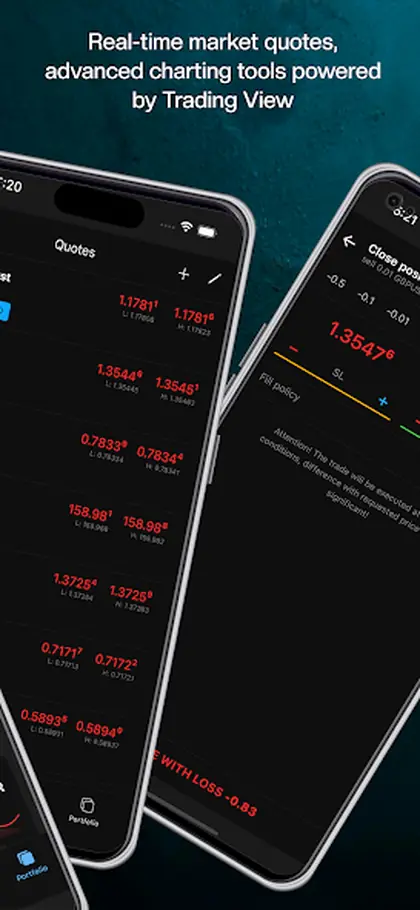
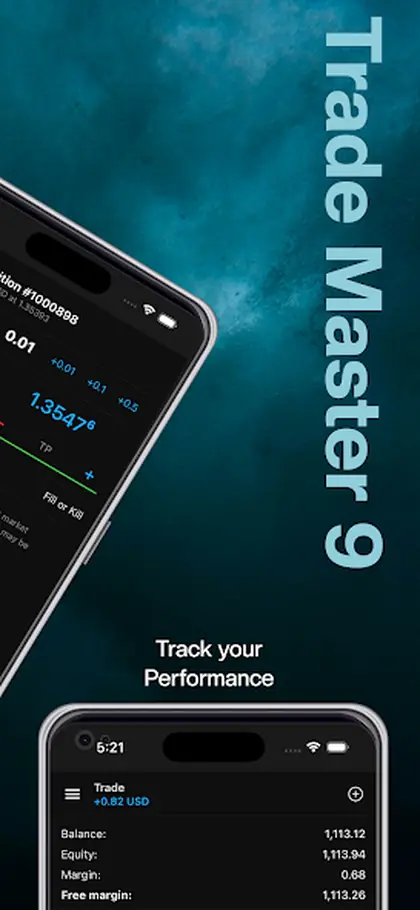
The web and the desktop are two doors into the same Forex and exchange market operations.
The web platform is designed to provide functionality comparable to the TM9 desktop trading environment.
The web platform is designed to provide functionality comparable to the TM9 desktop trading environment, which raises the obvious question: if the browser does the job, why install anything at all? The honest answer is that most traders end up using both, because each is better at a different part of the week.
The browser wins on access. Nothing to install, nothing left behind, and the same account available from any modern browser on any operating system. It is what you open on a borrowed laptop, a locked-down office machine, or a computer in a hotel business centre. Charts, market analysis, trading tools and account management are all there, so it is a working environment rather than a viewer.
The desktop terminal wins on depth of workspace and on automation. If you keep a dozen charts arranged across two monitors, an installed terminal handles that more comfortably. More importantly, automated strategies — trading robots that execute predefined instructions — need somewhere that stays open, and a browser tab is not that place.
Cost of switching is effectively zero, which is what makes using both reasonable rather than redundant. What makes the combination practical is that the account carries everything. The same positions, the same history and the same market view appear wherever you log in, so switching mid-trade is safe rather than disruptive. A position opened in a browser is managed from the desktop that evening without a single adjustment.
Choose by situation rather than loyalty: browser when you cannot install, desktop when you are settled at a workstation, mobile in between. The TM9 home page lays out the whole platform in detail.
The web platform is designed to provide functionality comparable to the TM9 desktop trading environment.
How the TM9 Web Platform compares with the desktop trading environment, and when each one fits.
Installed software suits large multi-chart workspaces and automated strategies that need to run continuously.
The browser wins whenever installing is impossible or inconvenient, and it needs no setup on a new machine.
Three short notes on how this works day to day.
Most traders use both rather than choosing. The desktop is where the week gets prepared; the browser is what they open from a hotel, a client office or a laptop that is not theirs.
Because both show the same account, switching mid-trade is safe: a position opened in one is managed in the other with the same stop and the same history attached.
This page is for traders deciding where to work, and for brokers explaining the difference to clients.
How web platform sits inside the Trade Master 9 platform.
TM9 is a web-based trading platform for Forex, stocks and futures, combining technical analysis, fundamental market information, copy trading and automated trading in one browser window. It runs on virtually any modern browser and operating system with no desktop software to install, is designed to offer functionality comparable to the desktop environment, encrypts data between the browser and the platform, and supports both demo and real accounts.
TM9 is a software development company and does not provide investment or brokerage services. The platform supplies the trading terminals, analysis tools and automation; your broker holds the funds, sets spreads and leverage, and executes the orders the platform sends. Trading carries a real risk of loss, and signals or robots are tools rather than financial advice.
TM9 Web Trading Platform. Trade From Your Browser. Trading With No Download. Or open the Platform Guide for all 77 pages.