App preview
Inside TM9 2.0.
The Access Server is the front door your terminals connect through.


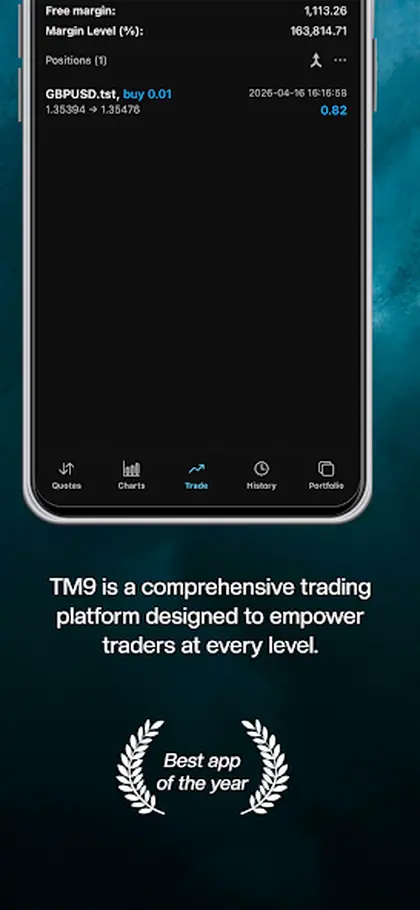
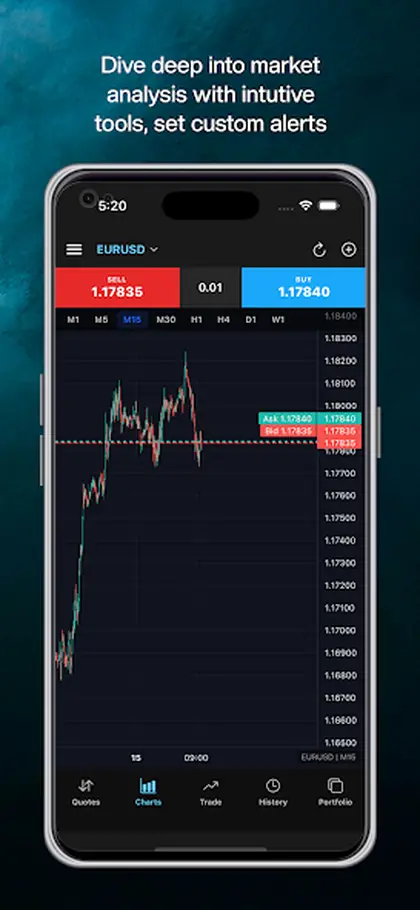

Every session of the trading mobile app used for forex and exchange market operations connects through the Access Server described here.
The Access Server is the front door your terminals connect through.
The Access Server is the front door your terminals connect through.
The TM9 Access Server handles terminal connections, included in all three license tiers.
It handles the connections coming in from the desktop, web, mobile, manager and administrator terminals.
An Access Server is part of Standard, Business and Express.
Express raises the Trade Server count to four for higher order volume, while the Access, History and Backup servers stay part of the set.
Three short notes on how this works day to day.
Every terminal session — desktop, web, mobile, manager, administrator — arrives through the Access Server, which makes it the piece that defines how connection load is handled as your account base grows.
Because every terminal session passes through it, the Access Server is the component most affected by growth in concurrent users rather than total accounts. Both numbers are part of the sizing conversation.
The Access Server is of most interest to infrastructure teams planning for concurrent sessions, especially brokers whose clients all log in around the same market opens.
How servers & gateways sits inside the wider TM9 platform.
Behind every TM9 platform sit four server roles: the Trade Server carrying order flow, the History Server holding the record, the Access Server handling terminal connections, and the Backup Server. Standard and Business run one trade server, Express runs four. Gateways are the one piece quoted separately, added upon order.
Four server roles carry a TM9 deployment: Trade for order flow, History for the record, Access for terminal connections, and Backup for continuity. Standard and Business run one trade server each and Express runs four, while the other three roles stay constant across tiers. Gateways are ordered separately so each broker connects only the systems their business actually uses.
Server roles are fixed across the tiers, with only the trade-server count changing: one in Standard and Business, four in Express. Gateways sit outside the bundle and are added upon order. Sizing, retention and backup arrangements are settled during the rollout call, before pricing is confirmed.