App preview
Inside TM9 2.0.
Gateways are an add-on upon order, available with Standard, Business and Express.
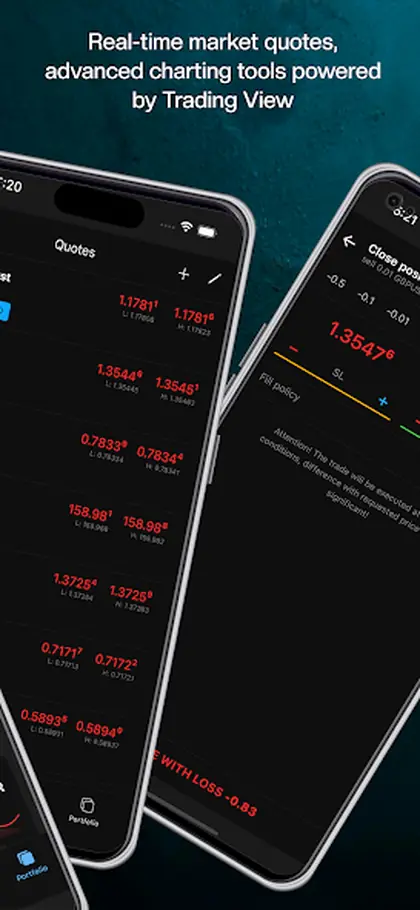
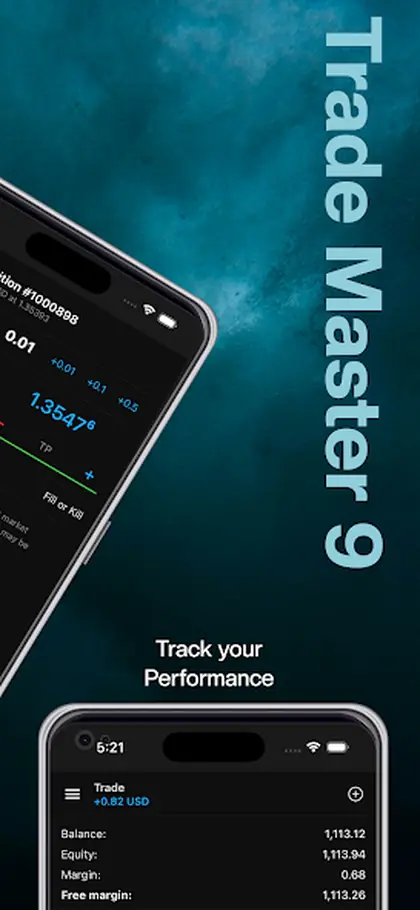
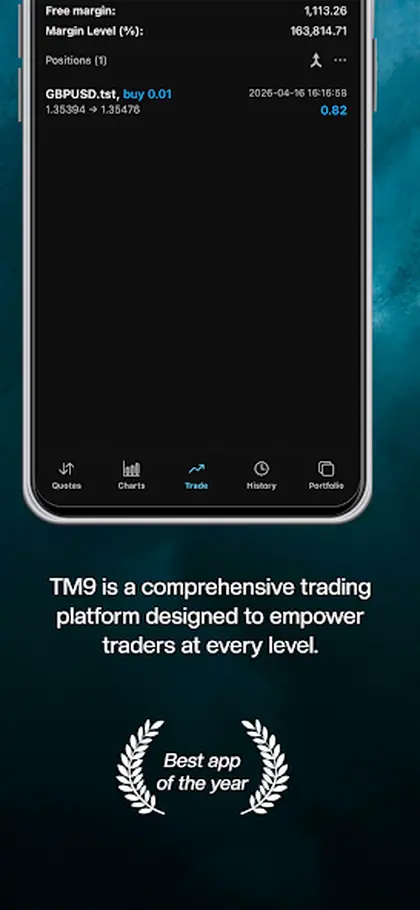
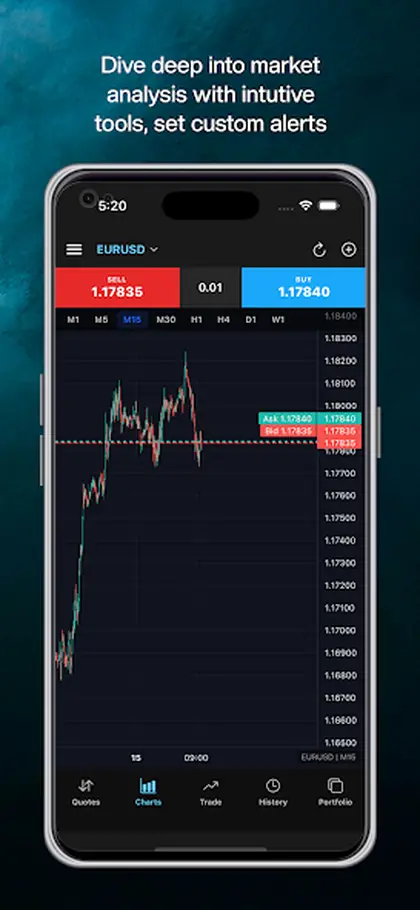
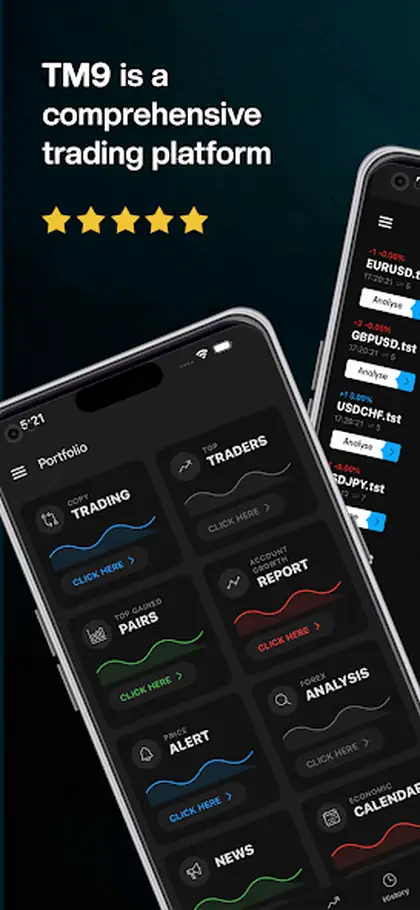
Gateways connect the platform behind the trading mobile app to the systems your forex and exchange market operations depend on.
Gateways are an add-on upon order, available with Standard, Business and Express.
Gateways are an add-on upon order, available with Standard, Business and Express.
TM9 gateways are available as an add-on upon order in every license tier.
Unlike the terminals and servers, gateways are not bundled into a tier — they are added upon order.
That depends on your rollout, which is why gateways are one of the things we confirm on a short call before pricing.
All five terminals and the History, Access and Backup servers come with every tier, whichever gateways you add.
Three short notes on how this works day to day.
Gateways are quoted per order because no two brokers need the same set. That keeps the base license clean: you take the terminals and servers as standard, and add only the connections your business actually uses.
Because gateways are ordered rather than bundled, you can start with the connections you need at launch and add more as the business grows, without changing your license tier or your terminal set.
Gateways concern brokers connecting TM9 to the liquidity, payment or reporting systems they already run. Which ones you need is a business question, which is why they are quoted separately.
How servers & gateways sits inside the wider TM9 platform.
Behind every TM9 platform sit four server roles: the Trade Server carrying order flow, the History Server holding the record, the Access Server handling terminal connections, and the Backup Server. Standard and Business run one trade server, Express runs four. Gateways are the one piece quoted separately, added upon order.
Four server roles carry a TM9 deployment: Trade for order flow, History for the record, Access for terminal connections, and Backup for continuity. Standard and Business run one trade server each and Express runs four, while the other three roles stay constant across tiers. Gateways are ordered separately so each broker connects only the systems their business actually uses.
Server roles are fixed across the tiers, with only the trade-server count changing: one in Standard and Business, four in Express. Gateways sit outside the bundle and are added upon order. Sizing, retention and backup arrangements are settled during the rollout call, before pricing is confirmed.