App preview
Inside TM9 2.0.
The Trade Server carries order flow — one in Standard and Business, four in Express.
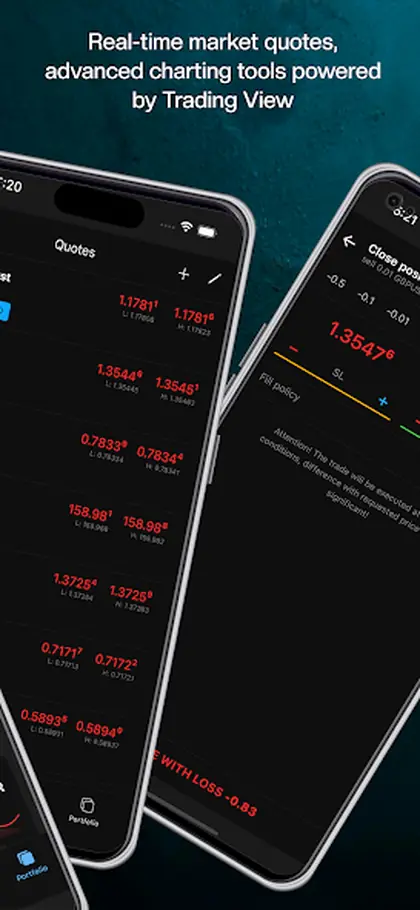

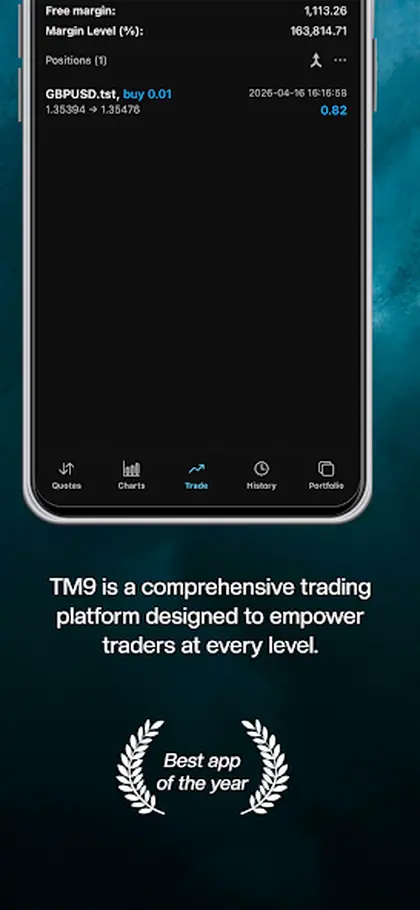
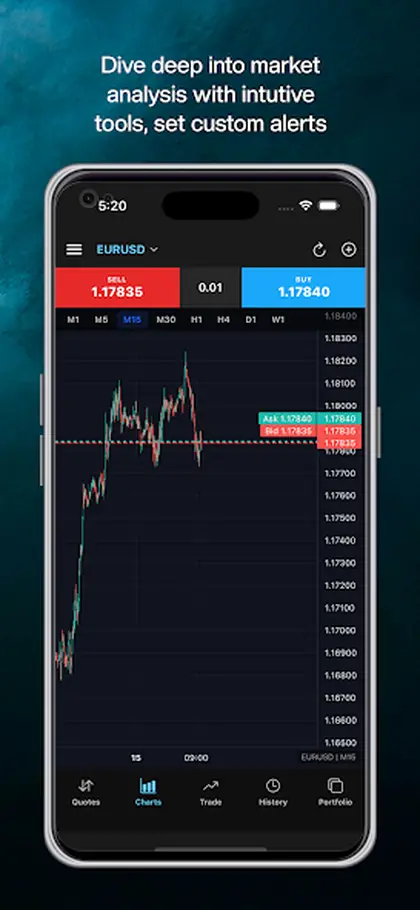
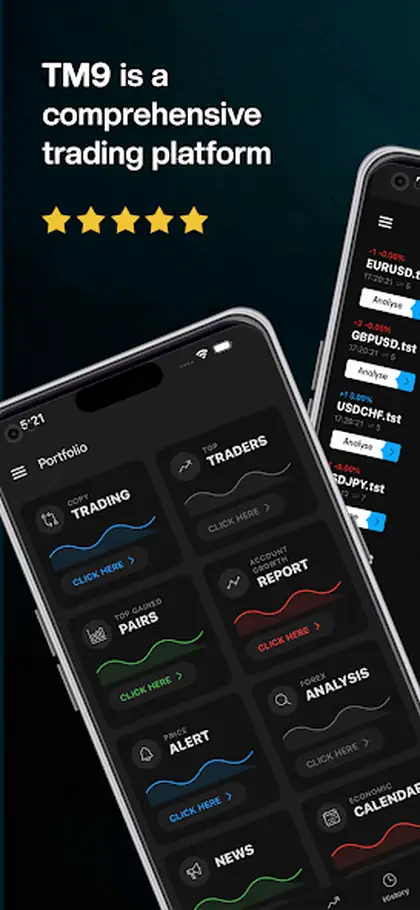
Each operation sent from the trading mobile app into the forex and exchange markets passes through a trade server — this page explains how many you get.
The Trade Server carries order flow — one in Standard and Business, four in Express.
The Trade Server carries order flow — one in Standard and Business, four in Express.
The TM9 Trade Server carries order flow: 1× in Standard and Business, 4× in Express.
It is the component that handles live trading traffic for your accounts.
Every tier also includes the History, Access and Backup servers.
Three short notes on how this works day to day.
Trade-server count is the clearest difference between the tiers. Standard and Business each run one, which is enough for their account ceilings, while Express runs four to spread the load of a much larger book.
Trade-server capacity is the part worth sizing honestly, since it carries live order flow at the busiest moment of your busiest day rather than an average. That is the conversation behind the jump from one server to four.
Trade-server sizing is a conversation for technical leads and operations teams planning for peak load, not just total accounts. It is also the clearest signal of when a broker should move from Business to Express.
How servers & gateways sits inside the wider TM9 platform.
Behind every TM9 platform sit four server roles: the Trade Server carrying order flow, the History Server holding the record, the Access Server handling terminal connections, and the Backup Server. Standard and Business run one trade server, Express runs four. Gateways are the one piece quoted separately, added upon order.
Four server roles carry a TM9 deployment: Trade for order flow, History for the record, Access for terminal connections, and Backup for continuity. Standard and Business run one trade server each and Express runs four, while the other three roles stay constant across tiers. Gateways are ordered separately so each broker connects only the systems their business actually uses.
Server roles are fixed across the tiers, with only the trade-server count changing: one in Standard and Business, four in Express. Gateways sit outside the bundle and are added upon order. Sizing, retention and backup arrangements are settled during the rollout call, before pricing is confirmed.