App preview
Inside TM9 2.0.
The History Server holds your platform's trading history and is included in every tier.
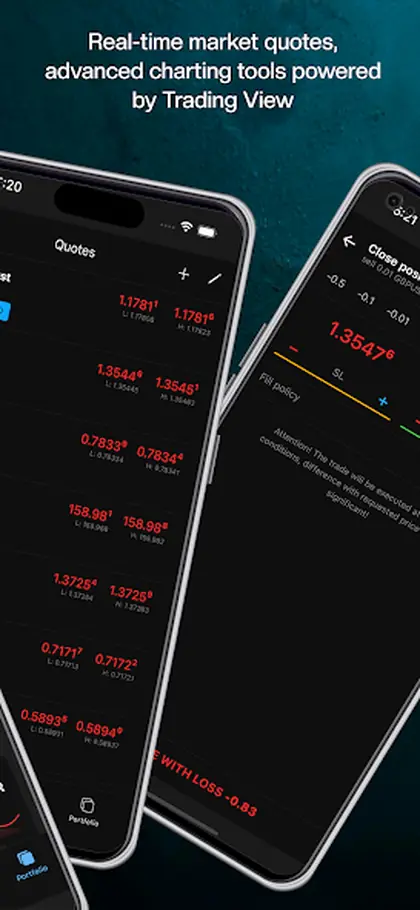
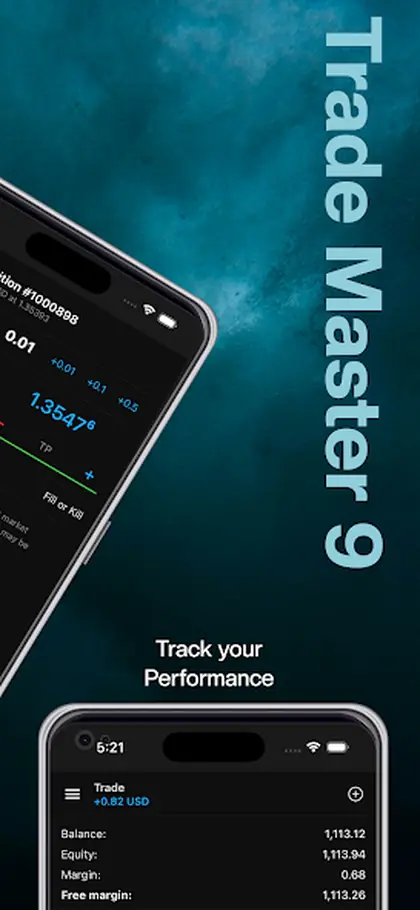
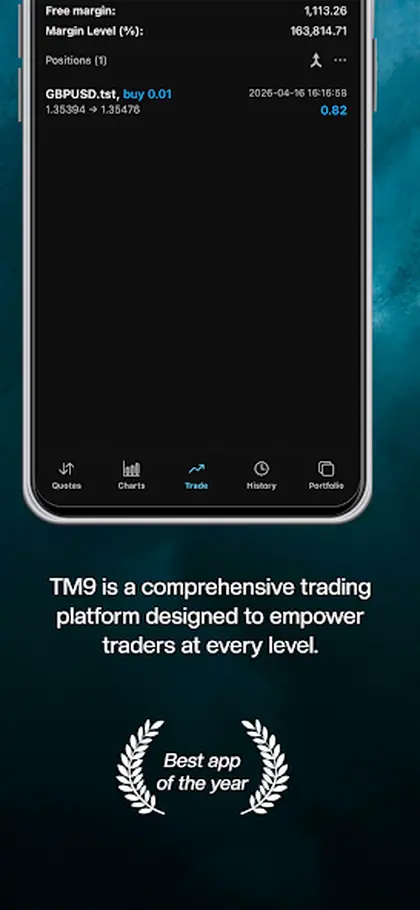
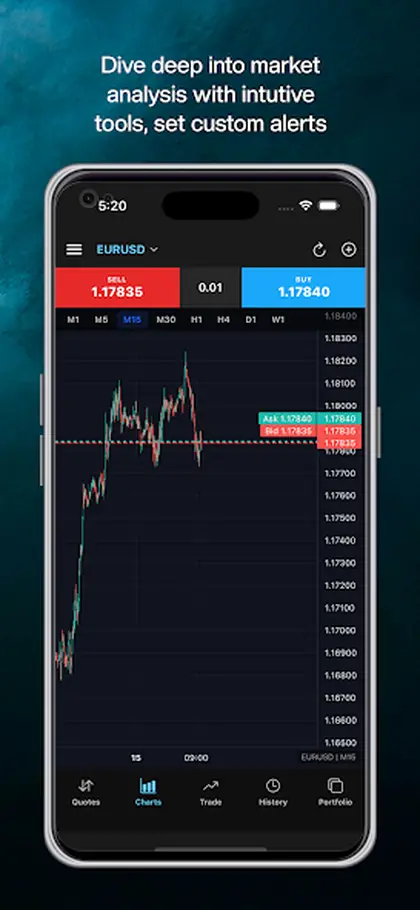
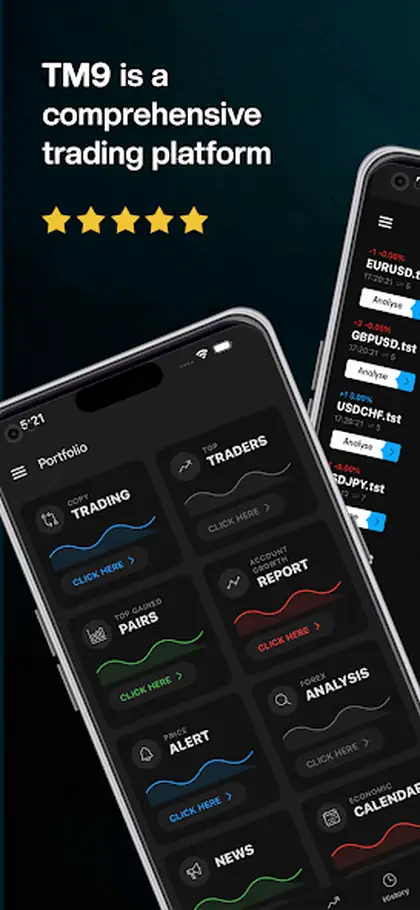
Operations placed through the trading mobile app in the forex and exchange markets leave a record, and the History Server is where that record lives.
The History Server holds your platform's trading history and is included in every tier.
The History Server holds your platform's trading history and is included in every tier.
The TM9 History Server keeps trading history, included in all three license tiers.
Keeping the record of trading activity available to the terminals that query it.
Standard, Business and Express all include a History Server alongside the Access and Backup servers.
Capacity planning is part of the call where we match your license to your account volume.
Three short notes on how this works day to day.
History is what reporting, account statements and any look back at past activity depend on, so it ships in every tier. How much history you keep and how fast it needs to be queried is part of the sizing conversation.
The History Server is what makes statements, audits and reviews of past activity possible, which is why it is never optional. Retention needs vary by jurisdiction, so it is worth raising your requirements during planning.
The History Server matters to compliance and reporting teams, who need activity records available and queryable, and to support desks answering client questions about past trades.
How servers & gateways sits inside the wider TM9 platform.
Behind every TM9 platform sit four server roles: the Trade Server carrying order flow, the History Server holding the record, the Access Server handling terminal connections, and the Backup Server. Standard and Business run one trade server, Express runs four. Gateways are the one piece quoted separately, added upon order.
Four server roles carry a TM9 deployment: Trade for order flow, History for the record, Access for terminal connections, and Backup for continuity. Standard and Business run one trade server each and Express runs four, while the other three roles stay constant across tiers. Gateways are ordered separately so each broker connects only the systems their business actually uses.
Server roles are fixed across the tiers, with only the trade-server count changing: one in Standard and Business, four in Express. Gateways sit outside the bundle and are added upon order. Sizing, retention and backup arrangements are settled during the rollout call, before pricing is confirmed.